
[ young today, rich tomorrow ]

Barterer's Market: Swapping for what you need

By Cody Wetmore on February 1st, 2011 • Barter, Trading, Life
Originally appeared in: Spring 2011

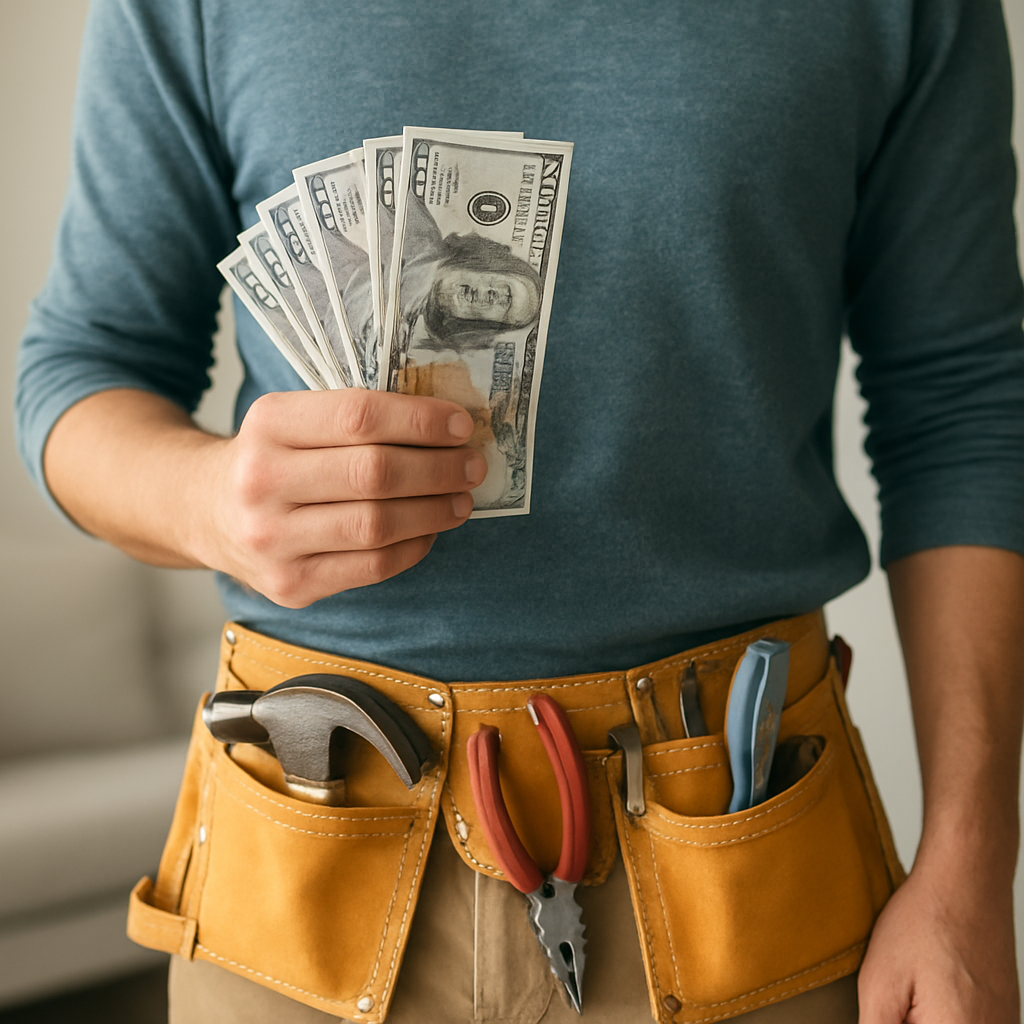
We don't always have money to spend, but we're never without a need for goods: groceries, shelter, transportation, entertainment... you name it, someone's looking for it. Instead of sulking over a lack of funds, why not ask for a trade? If you can find the right person with the right need, the stuff hidden in the back of your closet, a specialized skill, or some time can be just as good as gold. The beauty of bartering is that neither party has to pay a dime.

Use what you've got

The first step to successful bartering is looking at what you have. There's no use trying to make a deal without having anything to trade in return.

  • Stuff. What's lying around that you don't need anymore? You'd be surprised at what people are willing to trade for.
  • Skills. Many skills you consider commonplace can seem like magic to the right person. Imagine showing an elderly person how to use a word processing program, teaching a college student to perform bicycle maintenance, or creating a website for a local restaurant.
  • Time. The most valuable asset of all. If you spend evenings watching TV, consider using this time to perform simple services like watering a garden or looking after a vacationer's cat.
All value is relative

Finding the perfect barter buddy isn't easy; bartering takes patience. Every person's estimation of value is different, and you need to find someone who values your assets on par with theirs. When finding someone to trade with, keep these things in mind.

  • Needs of the other person. An ugly sweater collection probably won't be worth much in Arizona, but it could be worth a lot to a hipster in Saskatchewan. If finding a local trade is difficult, try broadening the scope.
  • Timing. A ticket for a sold-out concert could be worth ten times the initial price the night of the show, but it won't be worth anything the next day.
  • Appraise realistically. Barterers won't care that your Star Wars poster was a gift from grandma. Assess the value of your trade objectively by comparing the monetary value of similar items on Craigslist and eBay.
There's a marketplace for everything

It's time to find someone to trade with. While trading with a neighbor is certainly the fastest option, there is no guarantee that you'll want what he/she has and vice versa. Online bartering sites allow you to post and search for items. They're usually grouped by state or community, which can limit your scope. However, these tools can also be used to broaden the search to connect with a wider range of people.

Craigslist's barter section is a popular choice among barterers, but there are a variety of other sites, like baarter.com and u-exchange.com, that provide the same service. Some bartering sites cater to specialty audiences: swapstyle.com lets you trade clothing, zwaggle.com has parents trading old kiddie stuff, and tradeafavor.com deals in--you guessed it--favors. You can even trade intangibles, like time, through timebanks.org. Whatever the item, chances are there's a forum to trade it at.

In good faith

Bartering is based on trust. In other words, you have to hope that the other person will provide the agreed item or service. Since this is the unfortunate risk of bartering, those who cannot afford to get ripped off would do well to trade locally. This doesn't eliminate the risk altogether, but you have the added comfort of face-to-face transactions to help make sure everything is on the level.

The Bottom Line

Bartering has flourished through the recession. Between January and February of 2009, bartering site u-exchange.com saw 1.1 million page views. We all like to earn money, but in tough financial times, trading can just as easily get us the things we need.

Sources: smartmoney.com; baarter.com; usatoday.com; autointhenews.com; time.com

Post new comment

The content of this field is kept private and will not be shown publicly.
  • Web page addresses and e-mail addresses turn into links automatically.
  • Allowed HTML tags: <a> <em> <strong> <cite> <code> <ul> <ol> <li> <dl> <dt> <dd> <img> <p> <br> <blockquote>
  • Lines and paragraphs break automatically.

More information about formatting options

Image CAPTCHA
Enter the characters shown in the image.