
Fast Cash: Moving money with EFT
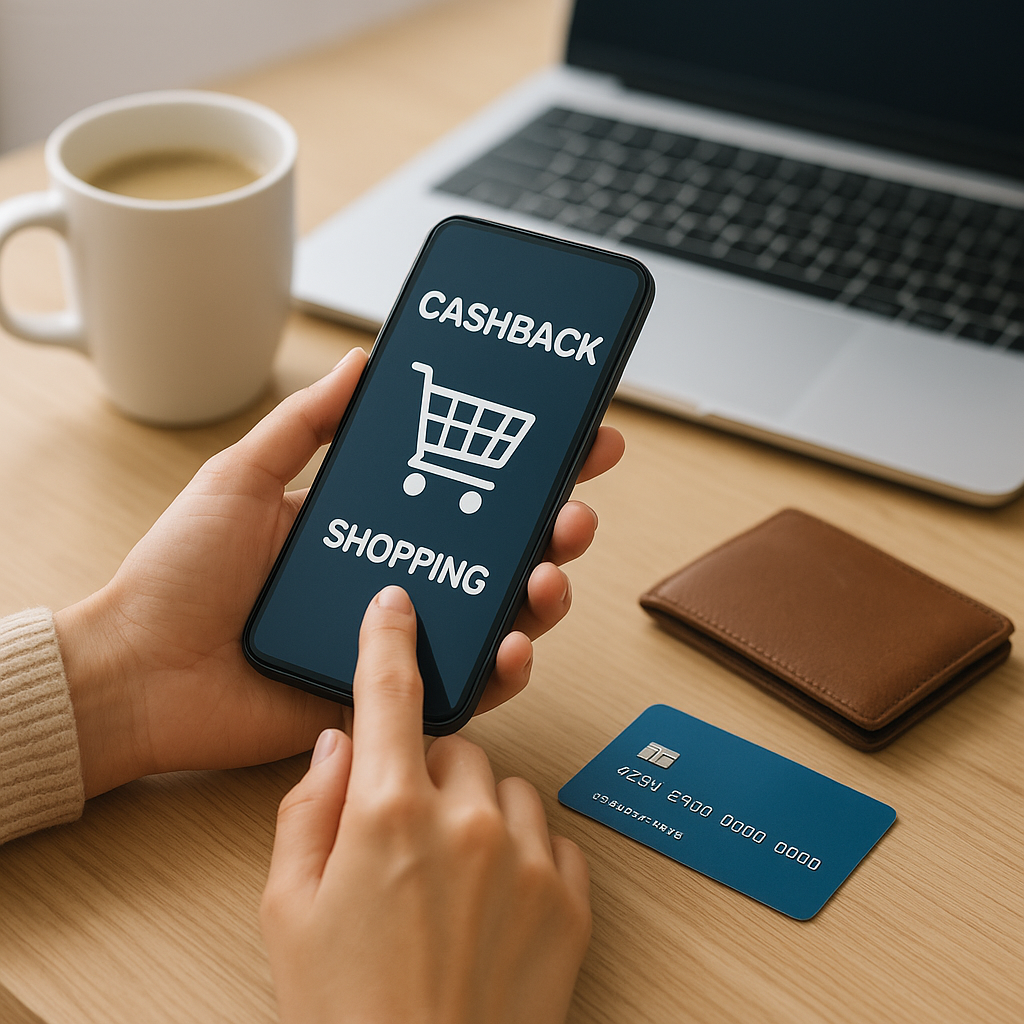
Making purchases of any kind is often as simple as a single swipe or the click of a mouse. But what really goes on beyond that flick of the wrist or finger tap? EFT (Electronic Funds Transfer) is the system behind credit cards, debit cards, and online financial transactions, among others. You may already be an avid user and not even know it! Here's how to stay safe and take advantage of EFT.
EFT is the processing of financial transactions electronically with computer systems. Whenever we swipe our cards and transfer money online or over the phone, we are using EFT. There are several more types of EFT, be it cash withdrawals from an ATM, online purchases, inter-account transfers, direct deposit, or online bill pay.
To start using EFT, simply apply at your financial institution for a savings, checking, or credit card account, depending on your needs. The only cost may be your initial deposit and you will now have a card or account number to use for any number of transactions via EFT. With ACH (Automated Clearing House) operations in place, along with your own monitoring, and your financial institution, you can track, transfer, and obtain funds quickly and easily.
Wherever you encounter EFT, look for the service agreement or policy. These will outline your rights, responsibilities, and any fees. Be sure to read these for everything from direct deposit and purchases via PayPal to online bill pay programs.
So what are the benefits of EFT?
- It costs less money for institutions to transmit information electronically. That means EFT often lowers fees for you on things such as insurance, standard bills, and online trading by cutting down on physical costs like paper and processing.
- It's easy and convenient to track your funds electronically online--and EFT makes it easier. Thanks to EFT, you can keep track of all your spending, expenses and monitor your savings at once.
- EFT can be good for the environment. As many as 2.3 million tons of wood (about 16.5 million trees) would be saved every year if all U.S. households viewed and paid bills online instead of getting paper statements.
As EFT is virtually everywhere now, you need to be aware that it poses different kinds of security risks than cash. Instead of someone stealing cash from your wallet, there's the risk of a thief illegally gaining access to your account--identity theft. That's why there are common safety features associated with EFT that help to authenticate the card and card holder:
- Signature verification
- Personal Identification Number (PIN)
- Magnetic strip information (on credit and debit cards)
- Password protection (for online account access)
You should regularly monitor your scheduled bill withdrawals, direct deposits, and online purchases to make sure all transactions are legitimate. Ask about online programs through your financial institution and credit card companies that allow you to monitor your transactions. Check out websites like mint.com, wesabe.com, and buxfer.com to aggregate information in one place.
PIN and signature-based debit card use has topped $800 billion annually in recent years. Instead of carrying cash, we're using EFT by swiping our cards and clicking online, saving time and money.
Sources: javelinstrategy.com; nacha.org; treas.gov; searchwinit.techtarget.com; pulse-eft.com; packagedfacts.com; chicagofed.org; ncosc.net


Post new comment