
Independent Study: Stuff you won’t get in the classroom
There's no question that school is very valuable. However, there are plenty of real world things that schools don't teach. Here's what I've learned outside of the classroom.
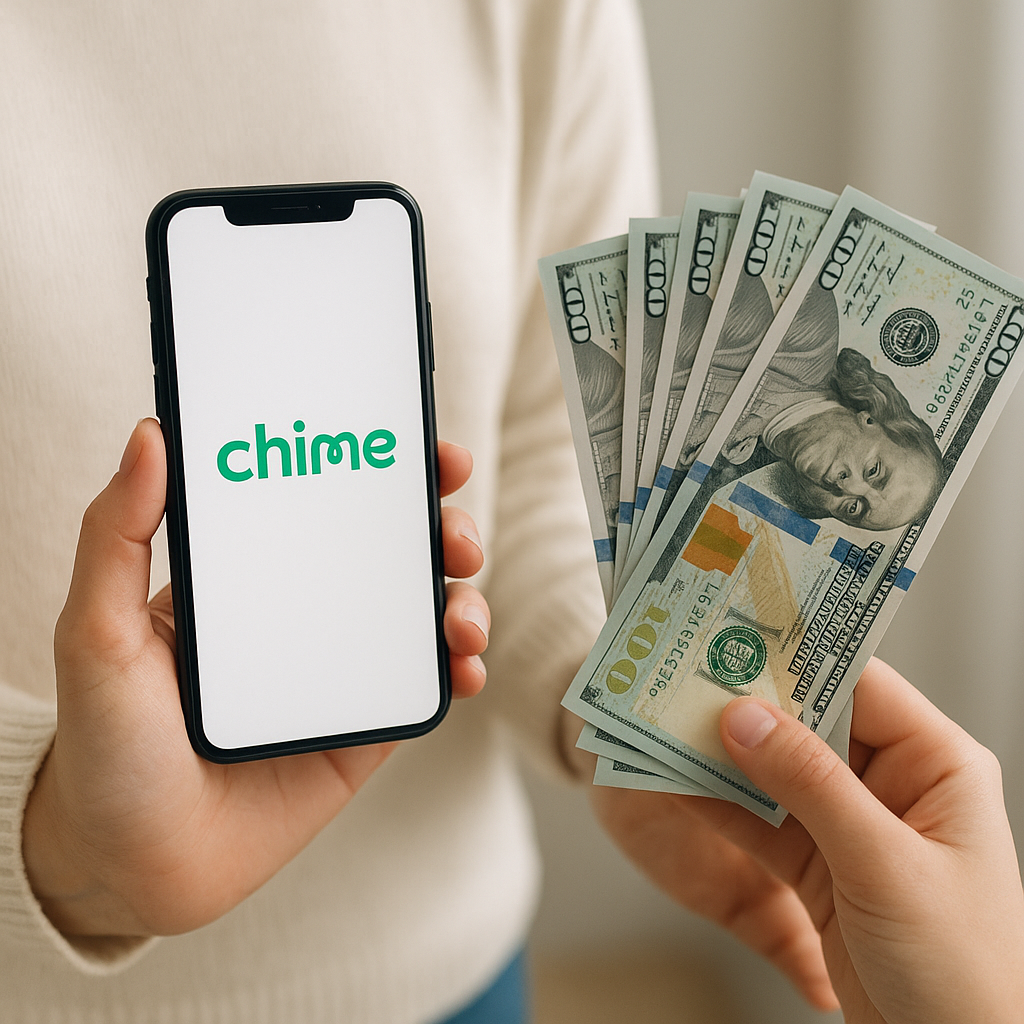
As amazing as it seems, many high schools and colleges struggle to help students understand personal finance. Sure, they teach you how to find a hypotenuse and dissect frogs, but not how to pay back the $20,000 in student loans you borrowed to get a degree. Seems like a fundamental flaw to me.
You have to take it upon yourself to learn how money works, regardless of which career you choose or what your interests are. Get a grip on personal finances early: build credit, investigate career pay scales, compare loans and start investing. Financial ignorance now -- whether it's overusing a credit card in college, not choosing the right student loan or not investing for retirement -- can have serious implications later in life.
Start educating yourself at brassmagazine.com, and check out Ramit Sethi's book, I Will Teach You To Be Rich. Also visit money.cnn.com for the basics and fool.com for investment commentary and info.
People learn in different ways. Just because you didn't score well on a test doesn't mean you don't understand the topic. Some people learn verbally, others visually, and yet others learn experientially. The quicker you discover how you learn, the sooner you'll be able to figure out how to study. This will help you get the most out of school, work, and any other endeavor.
To pin down your learning style, check out learning-styles-online.com. Another useful resource is the book StrengthsFinder 2.0, which can help uncover your talents (you'll have to buy it).
From day-to-day interactions, to interviews, to office emails -- communicating effectively is essential. Consciously practice communicating well so that you can carry a conversation, ask intelligent questions, interact within a group, make public presentations and articulate your thoughts clearly.
For tips and tools, search "improve communication" at inc.com, click the "Communication Skills" tab at mindtools.com, or take advantage of any elective speech and communication classes at school.
Too many times I've seen people focus only on earning good grades and not on preparing themselves for life. It's not all about having a good GPA. It's about you as the whole package. Take advantage of extracurricular activities and clubs. Fill leadership roles and build your social network (the people you meet in school are often the people you will associate with throughout your life). Participating in non-academic activities helps build your résumé, but more importantly, helps you enjoy life and become a well-rounded person.
For more information on striking a healthy balance in life, check out the articles Join The Club, Beating Burnout, and Résumé Fuel at brassmagazine.com.
Wish you had learned something earlier? What else do you think should be taught in school? Let us know. We'll try to post it online or in our next issue.
Bryan Sims, CEO


Post new comment