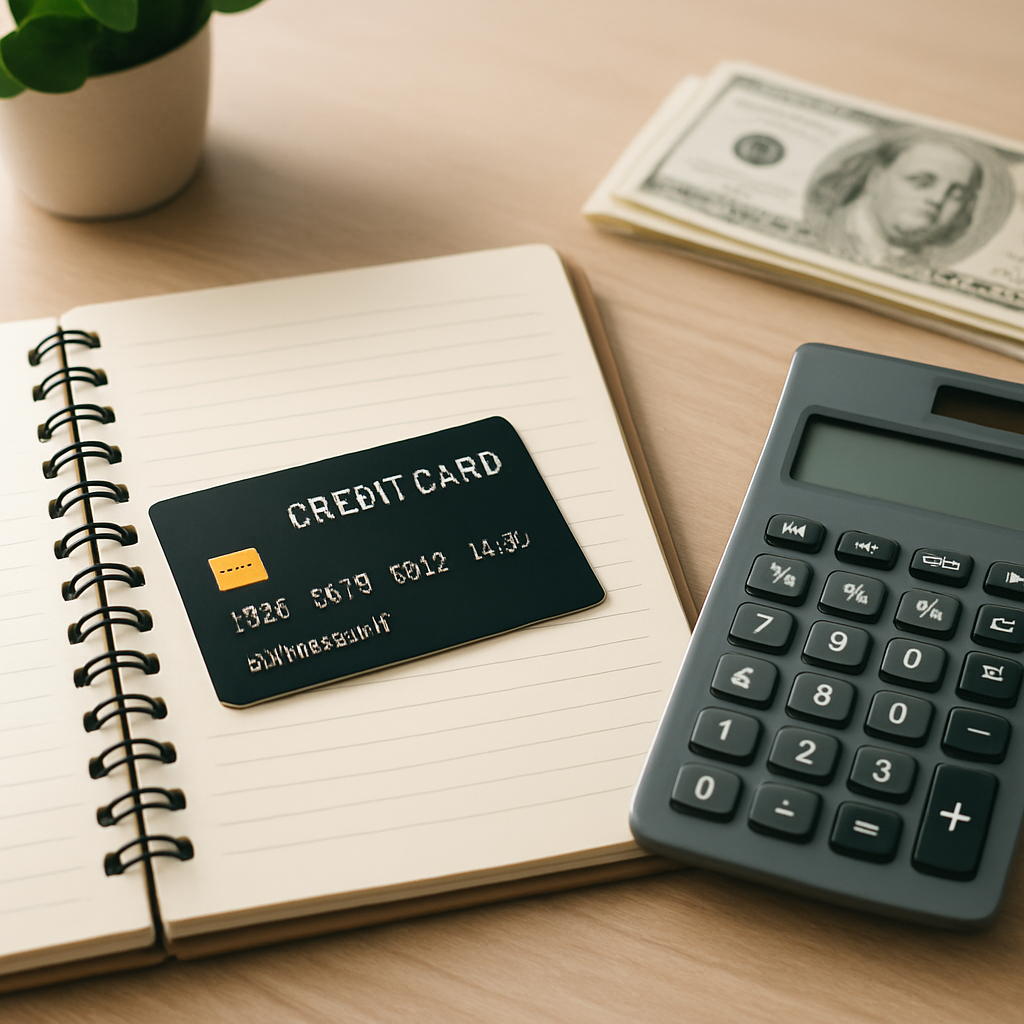
IOU Review: A double-take on common debts
Debt. Let that word drift out onto the tranquil pond of your mind and sink in for a minute. No matter how much the idea disturbs you, the reality is that most people will incur debt at some point. Instead of ignorant avoidance, it pays to face up to debt and understand the positive and negative sides of various debt types.
Over the last decade, student-loan debt increased from $41 billion to $85 billion. Even though student loans can be an important investment for the future, you have to go in fully educated.
Positive
- Earn an average of 60% more with a bachelor’s degree than with only a high school diploma.
- Federal student loans generally have lower interest rates than private loans.Choose subsidized loans if you qualify, because the government pays the interest on those loans while you’re in school.
- Both the Hope and Lifetime Learning tax breaks allow income tax credits of up to $1,800 or $2,000 respectively for tuition and fees. Also, up to $2,500 can be deducted from taxes for interest payments on qualified student loans. See IRS Publication 970 at irs.gov for all the details.
Negative
- There’s no guarantee you’ll find a degree-related job (especially in a tough economy), which could mean a lot of wasted money.
- Spending borrowed money on a degree without an idea of what you want to use it for isn’t cost effective. This could result in missed opportunities to take relevant classes, or extra terms or years spent in school.
- If you don’t qualify for federal loans, private loans are available. They usually have significantly higher interest rates, which cut into the cost-effectiveness of your degree.
Yeah, we’ve heard it all before: credit cards are evil. They encourage impulse buying, have high interest rates, and often shoulder the blame for piles of debt. All this can be true. But credit cards serve a purpose and can offer great benefits.
Positive
- Using a credit card and paying off the balance on time helps build good credit, something you’ll need to get a loan in the future.
- If you need a product (like a computer for school) immediately, but don’t have the cash on hand, use a card to buy it. Make sure to pay it off quickly; otherwise interest will accumulate, making the purchase more costly than it needs to be.
- If a credit card is stolen or used fraudulently, $50 is your maximum liability.
- Some cards offer theft and accidental-damage insurance, and many give free extended warranties on products purchased with the card.
- Earn free travel, cash-back rewards or other perks with various credit cards.
Negative
- Credit cards have one of the highest interest rates of any type of consumer loan; the average APR was 13.54% in 2008. Late payments can damage your credit score and lead to higher interest rates. This can lengthen the time it takes to pay off the balance, meaning you pay even more in interest.
- The fine print can include all kinds of tricks, such as changing interest rates, intro rates that jump to out-rageous heights or harsh universal default clauses. The Credit Card Accountability, Responsibility, and Disclosure (CARD) Act will likely end universal default clauses, limit interest rate changes, and require terms to be more clearly explained. This law is scheduled to be imple-mented in February 2010.
- Service and over-limit fees can kill your monetary buzz.
- It’s easy to get carried away with spending when money isn’t directly coming out of your account.
Buying a house is a huge commitment, and to avoid the excesses of the past several years, it’s important to soberly sit down and think before opening the door.
Positive
- Paying down a mortgage builds equity.
- The value of a house generally appreciates, and it’s a financial asset that can be refinanced and leveraged.
- Deductions for mortgage interest and real estate taxes are available when you file your individual income tax return.
- Through November 30, 2009, an $8,000 first-time homebuyer tax credit is available.
Negative
- Unsustainable mortgage payments can put you at risk of losing the house (think of the real estate collapse in 2008) and damaging your credit.
- Decreasing prices can leave you owing more on the house than it’s worth, or with a lower value than anticipated.
- Buying before you’re financially pre-pared can mean higher mortgage pay-ments and interest--costing thousands of dollars over the long term.
Debt is part of life. After all, the total amount of outstanding consumer credit (debt) in the U.S. is $2.5 trillion. It’s time to get informed, so you can use debt to your advantage.
Sources: highereducation.org, ed.gov, collegeboard.com, irs.gov, bankrate.com, creditcards.com, cnn.com, ginniemae.gov, time.com, kiplinger.com, ajc.com, fdic.gov, consumer-action.org, reuters.com, federalreserve.gov, biz.yahoo.com, investopedia.com, money.cnn.com, moneycentral.msn.com, ftc.gov, loan.yahoo.com, bloomberg.com, whitehouse.gov, smartmoney.com


Post new comment